Latest Posts
Mish’ol: An Urban Kibbutz
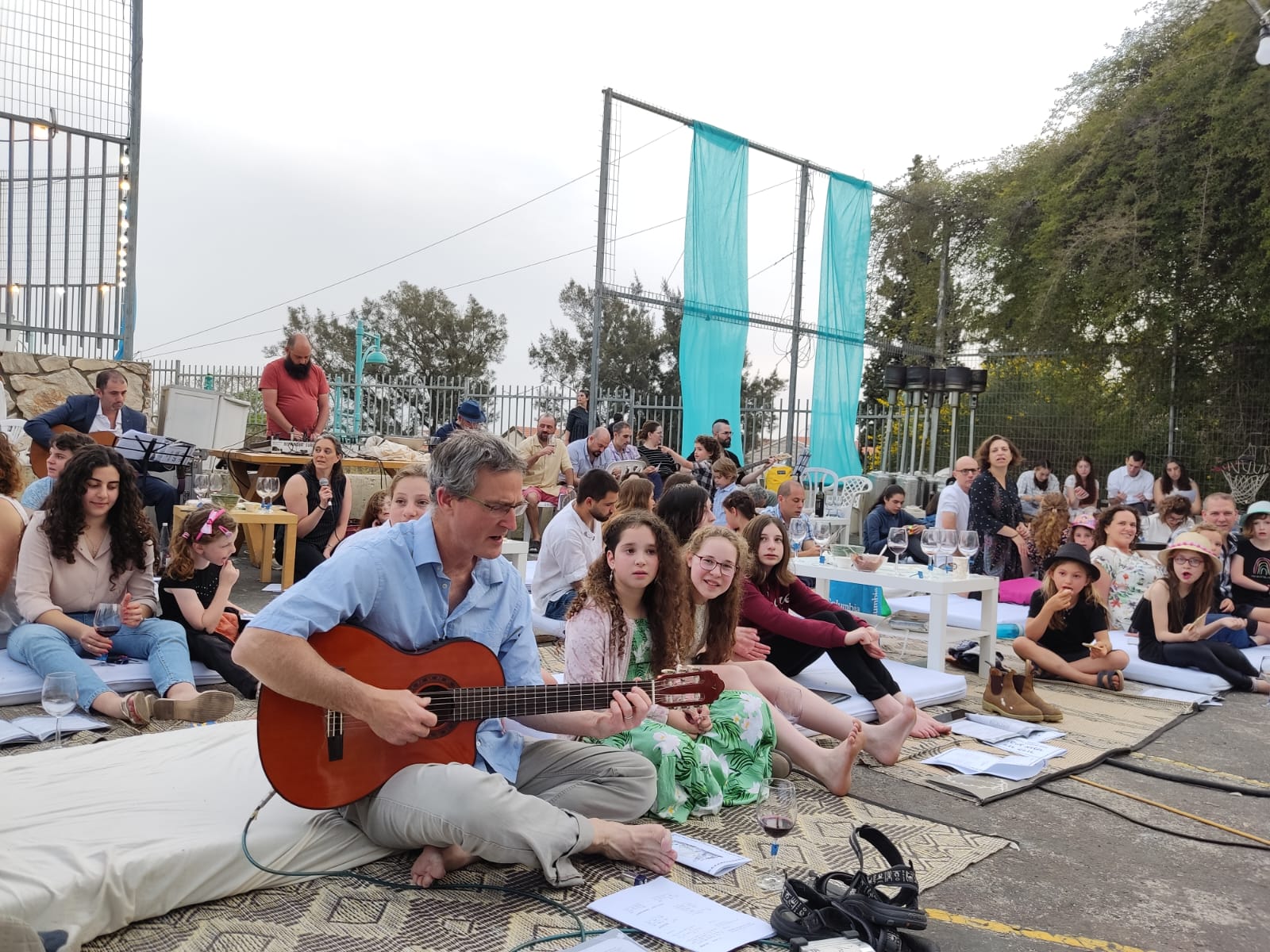
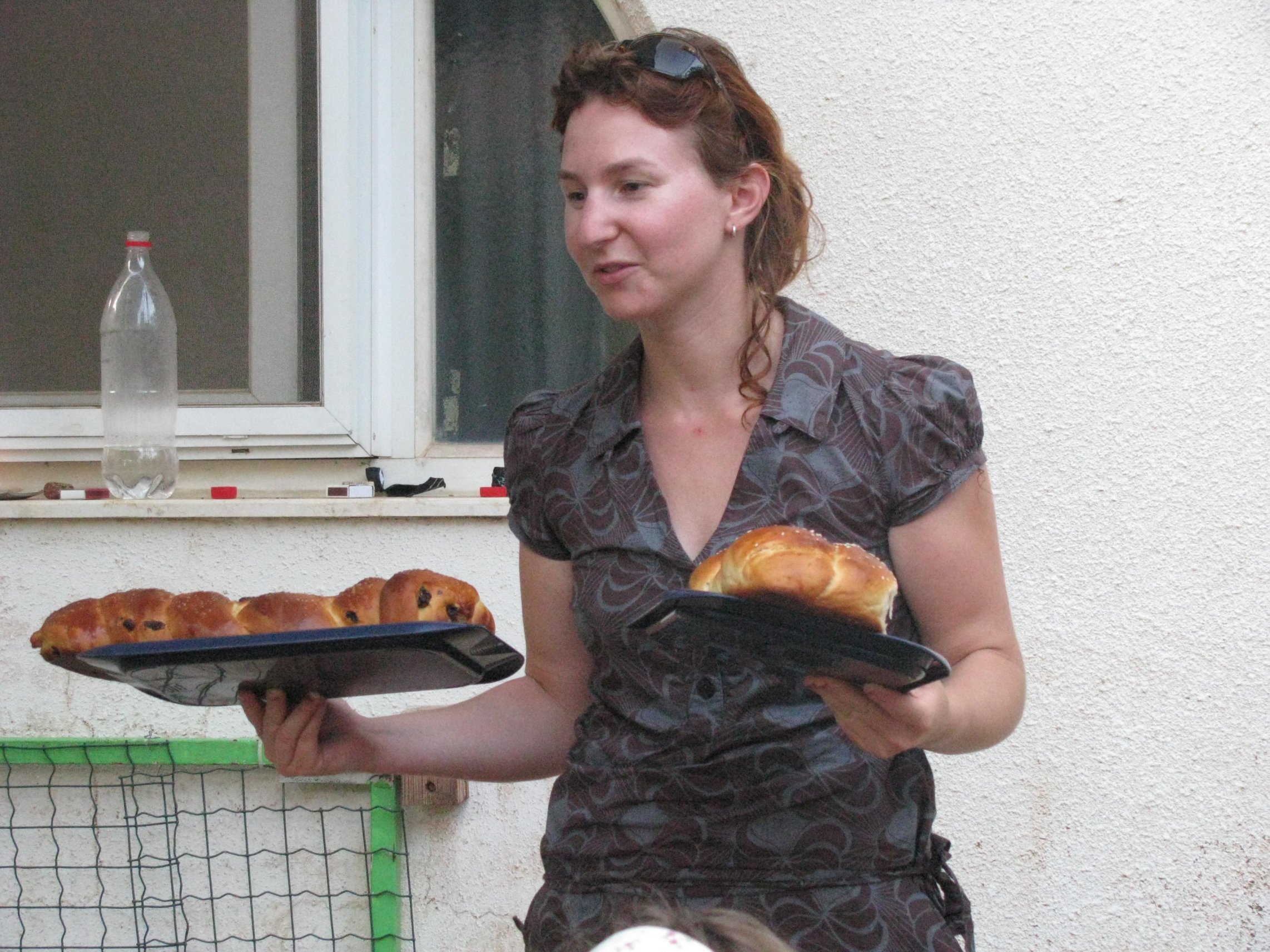
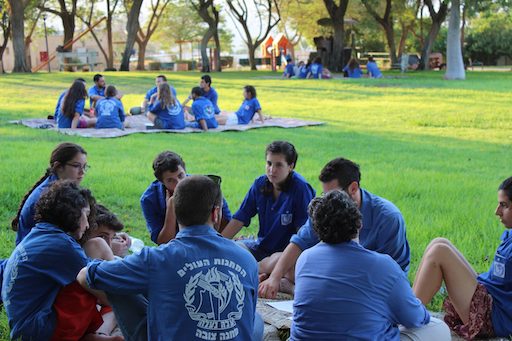
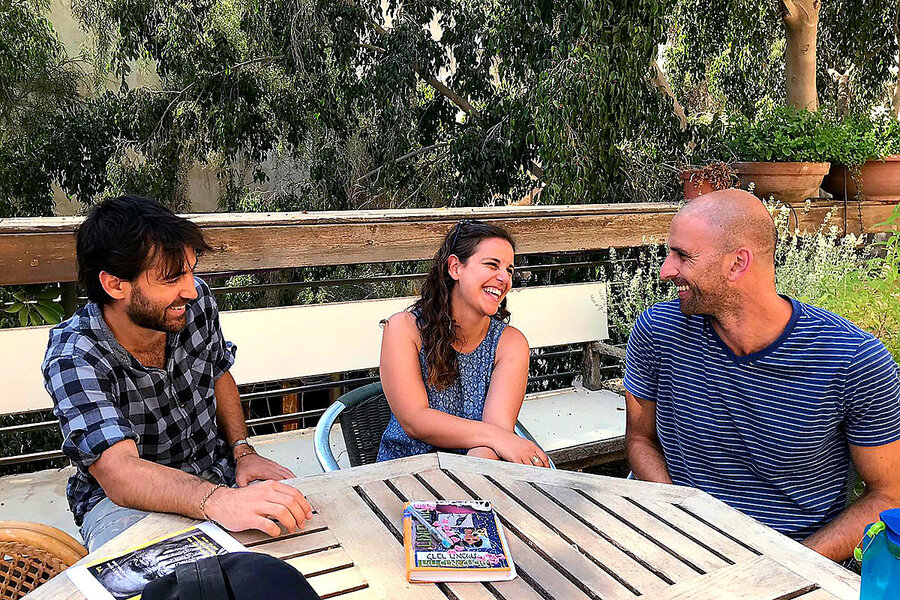
Standing and holding hands in the garden at Kibbutz Mish’ol, in Israel, we welcome “a peaceful and blessed Shabbat”, recite “How good and pleasant it is when brothers dwell together in unity” and remind ourselves, “everything that passed during last week belongs now in the past. During Shabbat—the spirit is renewed”. Before dining, we “bless the farmer who tills the field, the miller who prepares the flour, the baker from our house who kneads the dough and everyone who labours to make the fruits of the Earth into life-giving food before us”. After dinner, we adjourn to share some beer while watching a semi-final game of the World Cup.
Degania, the first Kibbutz, was established in Palestine in 1910, and still operates today. Kibbutzim became the biggest intentional community movement in the world with several of the 270 rural kibbutzim having more than a thousand members. Over recent years, however, many of these kibbutzim have been privatising and their future is not bright.
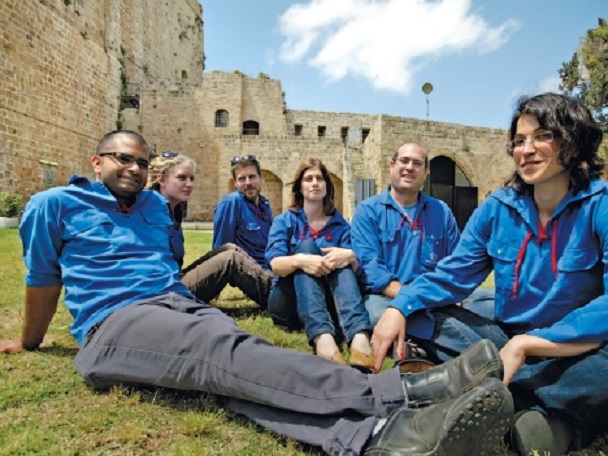
Contrary to this trend in Israel is the development of about 100 active and passionate urban kibbutzim whose members try to adapt the old kibbutz model to a new social, political and economic environment. Kibbutz Reshit, in Jerusalem, is the oldest of these, having been established in about 1980. The biggest urban kibbutz is Mish’ol, located in the small city of Migdal Ha’emek, near Nazareth, Israel, and here I am staying for several days in July 2010.
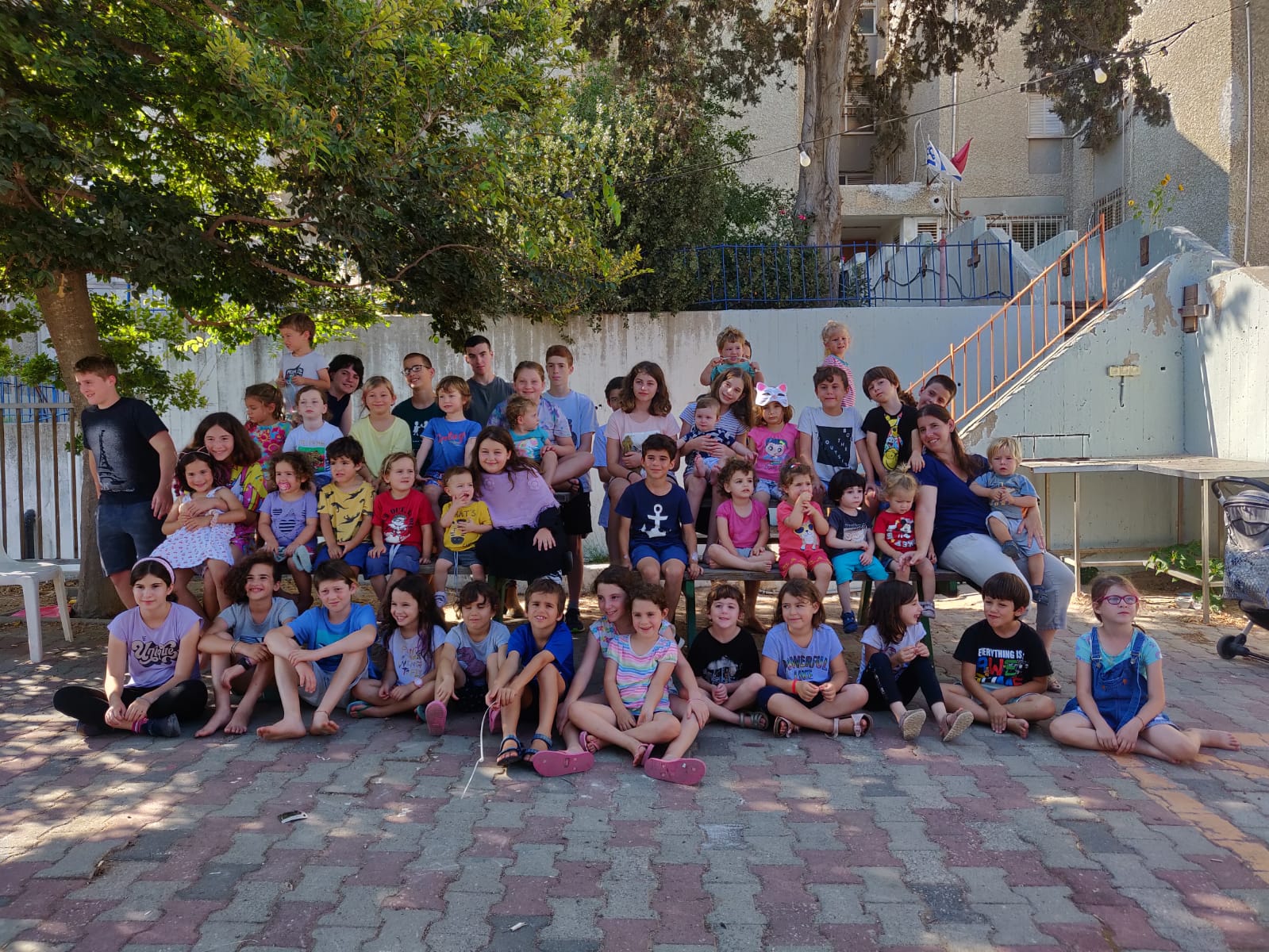
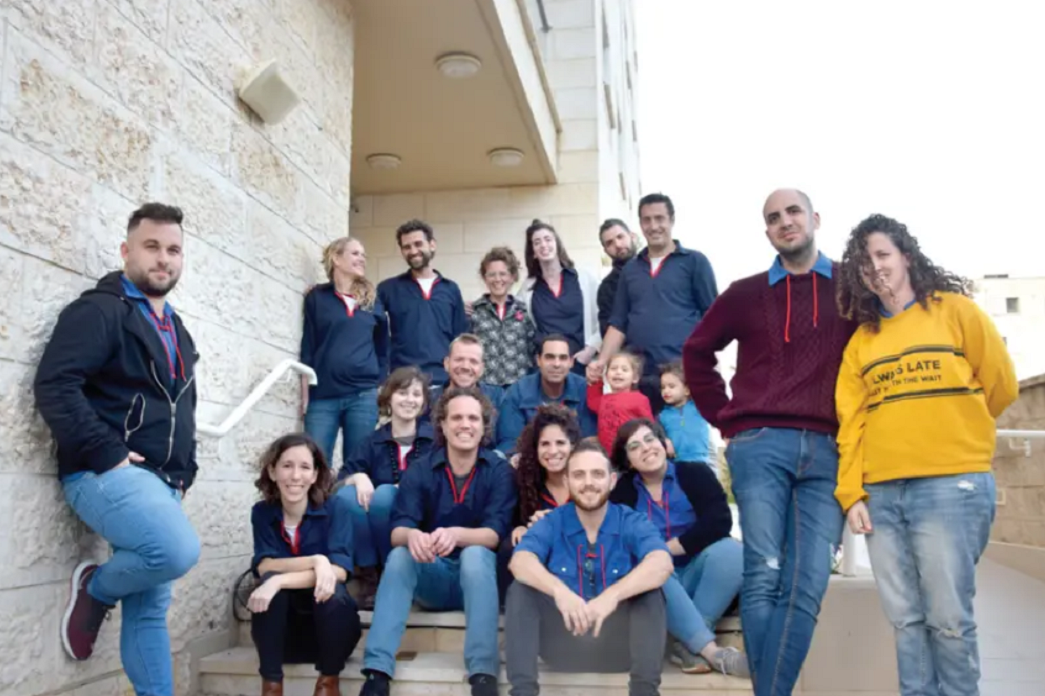
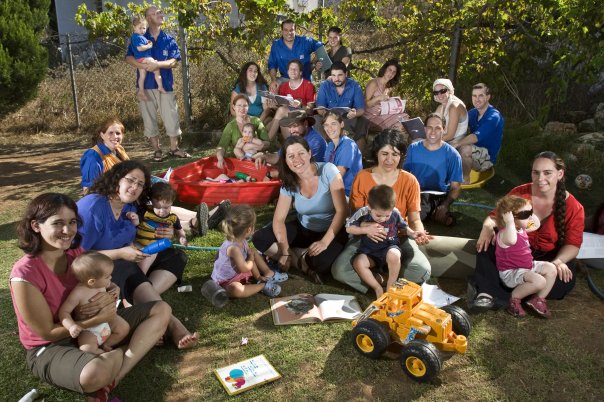
Kibbutz Mish’ol was established by 25 people in 2000, and now has 82 adult members and 32 children, the oldest of whom is just starting second grade. Most adults are aged in their twenties or thirties, markedly different from the aging membership of conventional rural kibbutzim. Mish’ol members live within smaller, more intimate living groups known as Kvutza (plural Kvutzot), each with 6-10 adults plus children. Most meals are eaten within these smaller groupings. Members of each Kvutza can best be thought of as comprising a household or pseudo-family, and one might think of Kibbutz Mish’ol as a federation of these eight Kvutzot (households).
Mish’ol members tell me they have a vision to be “an alternative to wider Israeli society through sharing all life together” and equally important to be an “alternative to the way of life within traditional kibbutzim”. Several members tell me they are “reclaiming socialism” but I am unsure how widely that view is shared. Members are not rejecting the conventional rural kibbutz model but feel that while it may have been suitable for 20th century Palestine, then Israel, it is unsuitable for 21st century conditions. One members tells me: “two things are broken and need repairs: Israel and kibbutzim”. An active and passionate commitment to peace, justice and equality is a theme running through my conversations with members.
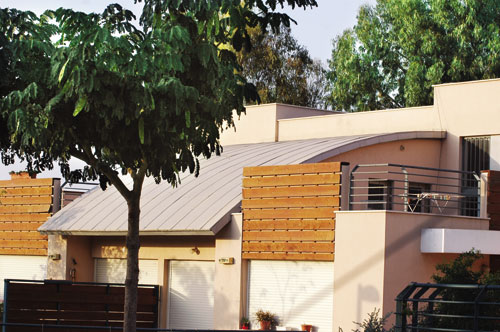
Kibbutz Mish’ol has a large rented house in which no-one lives but from where several of their businesses operate, where members come to meet, and from where communal affairs are managed. Mish’ol’s management group or steering committee (known as Mazkirut) consists of two members from each Kvutza. Each April, the Mazkirut, through consensus, decides on major projects and directions for the next year. There are various other Kibbutz committees responsible for specific matters such as finance, finding a permanent home, and social and cultural functions. At weekly meetings, members can make kibbutz-wide decisions based on consensus. Most decisions, however, are made within the smaller Kvutzot or within work groups. Members live, usually sharing with other Kvutza members, in nearby rental housing.
The kibbutz operates several small businesses including catering, web-design, child-care and coaching for new mothers, which employ some members. A few members work outside in occupations ranging from computer programmer to child-care expert, but most work in educational projects in schools, youth movements, after-school clubs for ‘at-risk’ youth, etc. Almost all work has some connection with education, peace, justice and social welfare. All member income goes directly into the Kibbutz coffers. There are no private cars but the Mish’ol owns vehicles that members book as needed.
Money in Mish’ol’s coffers is allocated by their finance/treasury committee to each Kvutza, according to membership, and to cover Kibbutz-wide expenses and to promote and develop new projects.
Reut was one of the founders of Mish’ol in 2000. She sought to retain the “good aspects of Kibbutz philosophy and practice” – but adapt them to a “smaller, more human-scale” intentional community. She grew up in Ramat Yohanan, a large, prosperous Kibbutz where she enjoyed a “peaceful and happy” childhood – and yet felt “lonely in the crowd” because of the large size of the commune. She tells me “the large kibbutz made small people”, because each member was relatively powerless. She is “very proud” of what Mish’ol achieves in promoting social equality and being a model intentional community, demonstrating how Israelis can live better, fairer, more ethical lives, “not alone or in competition with others”. She adds, “My character is very suitable to a communal life but unsuitable to a competitive lifestyle”. Re-ut admits to wanting a partner and children but nevertheless is “very happy here” and doubts she would be as happy living any other way.
Anton “grew-up within Habonim Dror, a Socialist-Zionist youth movement” and after spending a year in a conventional kibbutz “one of the things I learned was that I didn’t want to live on such a kibbutz — and I never want to be a farmer”. He helped start a small commune in Jerusalem but recognised that they needed to join with others to be effective in creating “social change based on Socialist Zionist principles”. In 2002, Anton’s group joined Mish’ol. He believes that only through the flexibility of their small living groups (kvutza) will they will be able to adapt to whatever the future brings. Recently, as a reserve member of the Israeli Defence Forces, Anton refused to serve in occupied territory (West Bank) and he suffered two weeks imprisonment for his “humanistic principles and conscience”. Today he is “very happy and fulfilled in what I am doing”. Anton will be known to many Communities readers as the Editor of C.A.L.L., the Communes at Large Letter (http://communa.org.il) which brings together information about intentional communities around the globe.
Reut and Anton promote Palestinian-Israeli dialogue through facilitating annual seminar camps in Cyprus where they foster “mutual understanding and respect”. They feel that they are having a beneficial impact on the wider society — although admit to falling far short of what is needed. Anton says, “there is a lot of healing to be done in this part of the world. We can do it—we must do it—and Kibbutz Mish’ol is part of the process”.
Uri, another founding member, is leaving Kibbutz Mish’ol because his partner is unhappy here, feeling that she is too cramped for physical, social and emotional space. They are moving, with their children, to a nearby rural kibbutz, Kibbutz Yizrael. I sense his sadness and ambivalence as he talks about leaving the commune he helped establish.
James tells me that as a teenager from UK his first exposure to the kibbutz movement was motivated by naïve social goals, and that he understood little of Zionism, Socialism or even Judaism as a religion; he admits “Israel was a bit of an embarrassment”. After spending a year working in the chicken-house on Beit Haemek, a large rural kibbutz, James became clear that he was committed to the core kibbutz values of socialism and equality - but equally clear that he did not want to be a farmer or live rurally within such a large social structure. “The kibbutz needs updating” he tells me. James migrated to Israel in 1999 with two friends, settled in Jerusalem and started looking for others to join in creating an urban kibbutz devoted to socialism, environmentalism, peace and social justice. In 2003, they all joined Mish’ol. James believes that their efforts towards peace and reconciliation are of utmost importance, yet doubts they are doing enough. He tells me they are “reclaiming the kibbutz values and adapting them to current realities”. For James, Mish’ol is about the right size to serve as a model secular intentional community for both Jews and Arabs.
Mish’ol members are negotiating to take over from the Jewish Agency, a large, dis-used ‘Migrant Absorption Centre’ in nearby Upper Nazareth. This will have two advantages: all members will be able to live under the same roof and they will near the largest Arab Israeli city, offering them far more opportunities to promote mutual respect and understanding, and (hopefully) making them more effective as agents for peace and social justice. They will also be far more visible as the model intentional community to which they aspire.
I expect that moving together under one roof will throw up a number of challenges to their way of life. Will it allow them to become more socially, culturally and politically active, to better exemplify an ideal intentional community — or will they find the larger social grouping saps their time and energy? Mish’ol members are inspiring, warm, welcoming and passionate, so I hope that the move is beneficial. How they cope, and how they develop will be well worth watching.
The Kibbutz movement, said by some critics to be floundering and dieing is, in fact, flourishing in the guise this new generation of urban intentional communities. They might just contain the seeds of a solution to the long-term problems of peace, equity and justice that beset Israeli Jews and Arabs, as well as Palestinians in the Occupied Territories.
Or am I too hopeful?
Follow Us
Most Popular