Latest Posts
Kibbutzim strike root in the city
THE JEWISH WORLD
Sept. 4, 2003
By NECHEMIA MEYERS, REHOVOT, ISRAEL
kibbutzim strike root in the city
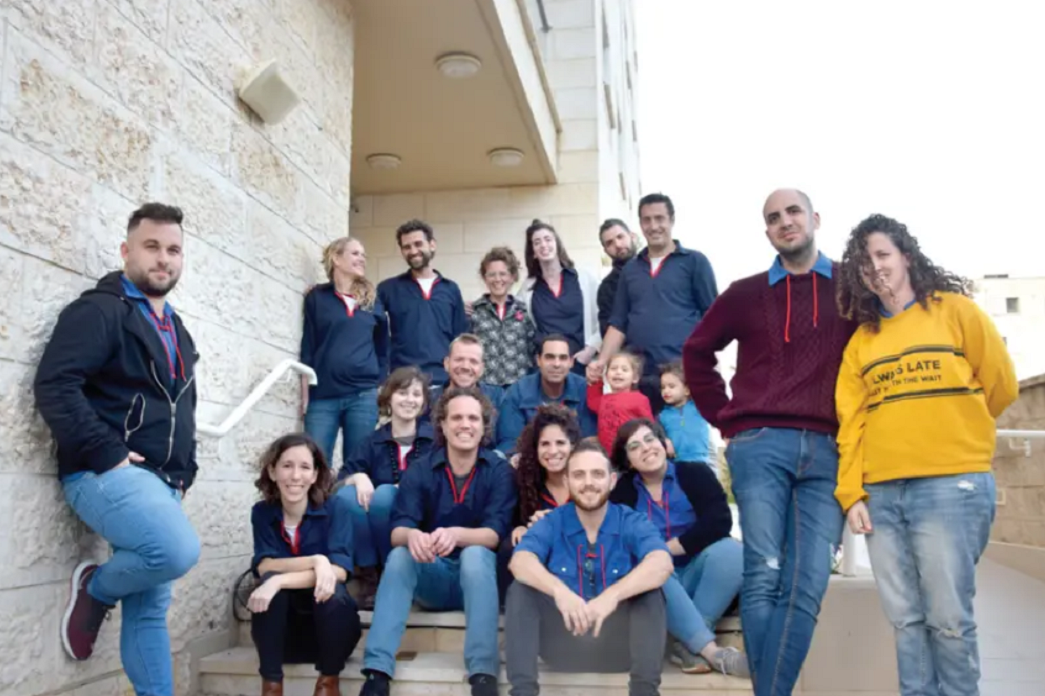
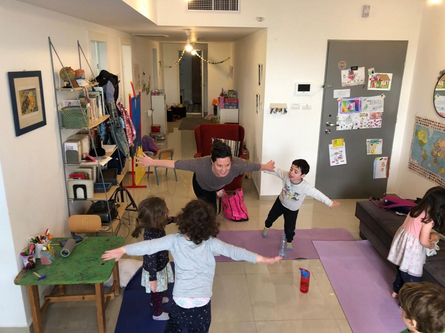
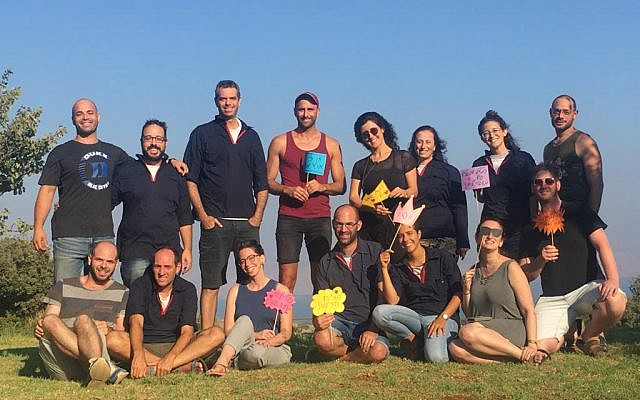
Last week I suddenly felt that I had returned to the idealistic Israel that I first encountered when I arrived here over 50 years ago. This was the result of my meeting with a group of dedicated youth in their 20s who have created an new urban kibbutz, on the outskirts of Rehovot, where they live a frugal collective life and spend most of their time trying to help the underprivileged inhabitants of a nearby, predominantly Ethiopian neighborhood.
Return To “Old” Ideals
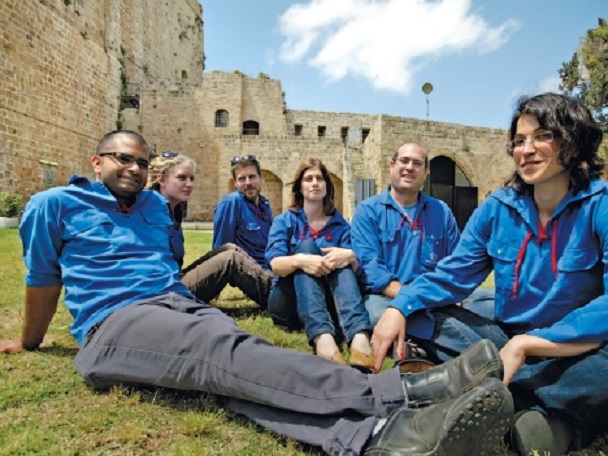
They are all graduates of the Noar Ha’oved V’lomed Youth Movement, with which they remain affiliated, and most of them grew up on old-style kibbutzim. They have opted for this different kind of collective because, so they argue, the traditional kibbutzim have jettisoned the ideals that once characterized them and, in parallel, have failed to address the problems that confront contemporary Israeli society.
Practice Direct Democracy
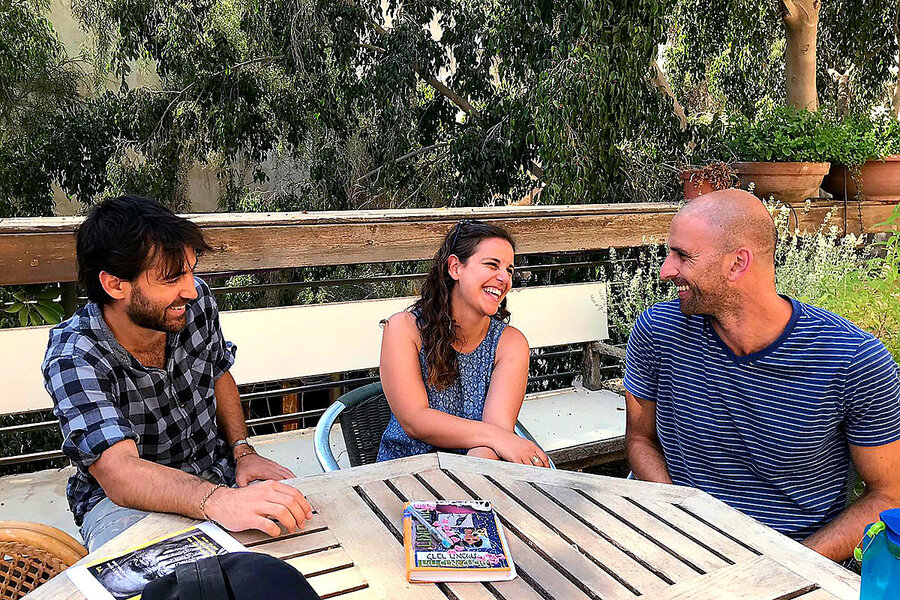
“We see these problems every day,” said Shlomo, an earnest young man with burning eyes and an unkempt beard. “The Ethiopian kids don’t have the computers or the pocket money for travelling that allow youngsters in middle-class neighborhoods to enjoy their summer vacations. If it weren’t that we were keeping them busy they’d be out on the streets or maybe even in trouble with the police.”
“The activities of our group have not attracted much press interest,” says Maya, an articulate and attractive 26-year-old. “And the journalists who show up are inevitably disappointed. They expect to find a bunch of weirdos and druggies. Instead,” she laughs, “all they find are a bunch of squares.”
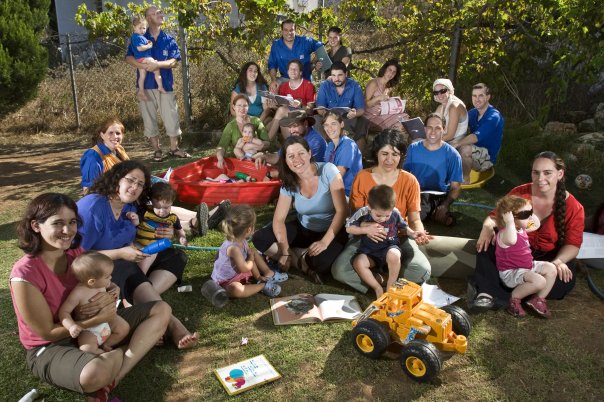
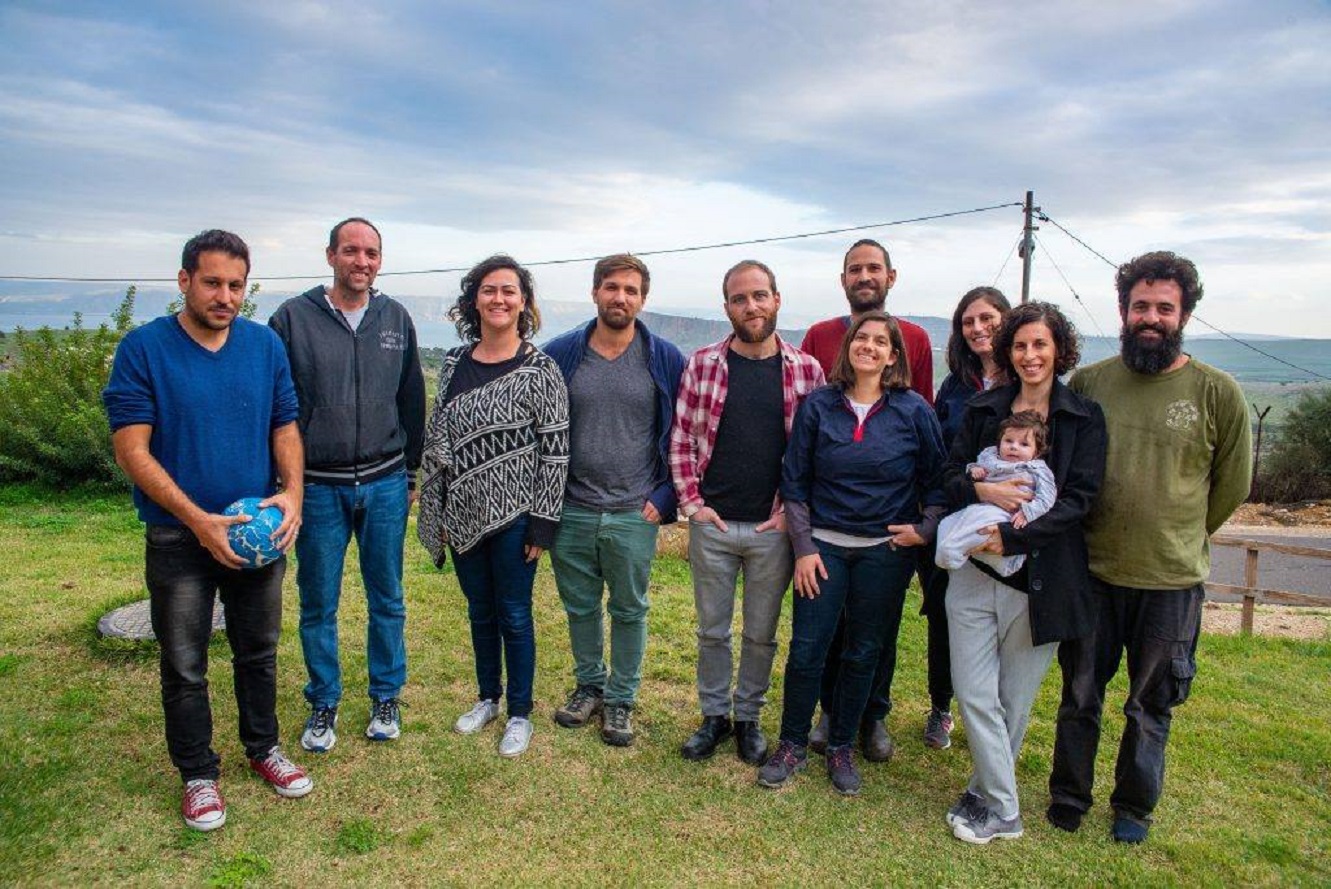
Dozens of urban kibbutzim have sprung up all over the country, varying in size from a dozen to several dozen members. In general, they don’t want to grow much beyond 40 or 45 people, which would make it difficult for them to practice their characteristic form of direct democracy, which has sometimes been characterized as anarcho-socialism.
Facing The Challenges
Almost all the participants in these small urban kibbutzim are sabras, but there is also a group of Anglos, graduates of the Habonim-Dror movement in the United States, Canada and the United Kingdom. Originally established in Jerusalem, they have now moved to Migdal Haemek, a development town east of Haifa, where they will be working together on educational and community service projects with a number of sabra collectives already established there.
“Settling down in Migdal Haemek is a big change from Jerusalem, particularly since we are people who grew up in big cities,” says James Grant-Rosenhead, formerly of Leeds, England. “We also have to take into consideration the career aspirations of our members, all of them university graduates, as well as the need to balance our budget, not an easy matter in the present economic situation.
“While the enormity of the challenges facing us is daunting,” James observes, “we feel greatly encouraged by the fact that there are new groups like ours developing all over Israel.”
are they happy?
The mushrooming of new urban kibbutzim is a phenomenon characteristic of the last few years, but there are four well-established ones that have been existence tor two decades. Bet Yisrael and Rashit, both religious, are in Jerusalem, while two secular ones are located respectively in the Negev town of Sderot (Kibbutz Migvan) and in Beit Shemesh, west of Jerusalem (Kibbutz Tamuz).
One question members of Tamuz are often asked is whether they live a happier, more fulfilled life than they would were their lifestyle more traditional. A spokesperson for the group recently replied: “Fulfilled, yes. Whether we are happier is difficult to ascertain, but the other alternatives seem less attractive.Here we have a community, which may be the most important thing. It's a community that shares, whose members care about one another. We live in a unique place with unique ideals, and having any kind of ideals is rare in this post-modern age.”

Follow Us
Most Popular