Latest Posts
You’ve gotta dance like there’s nobody watching, love like you’ll never be hurt, sing like there’s nobody listening, and live like it’s heaven on earth.
Urban Kibbutz Members Deal With Daily Tensions
From The Jerusalem Post
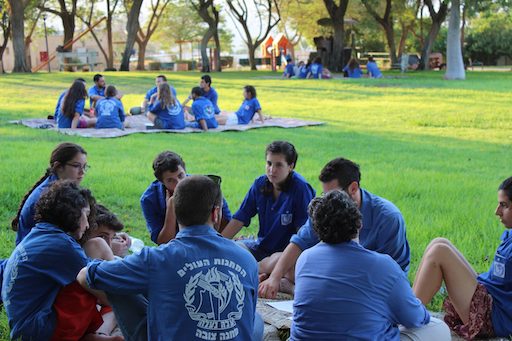
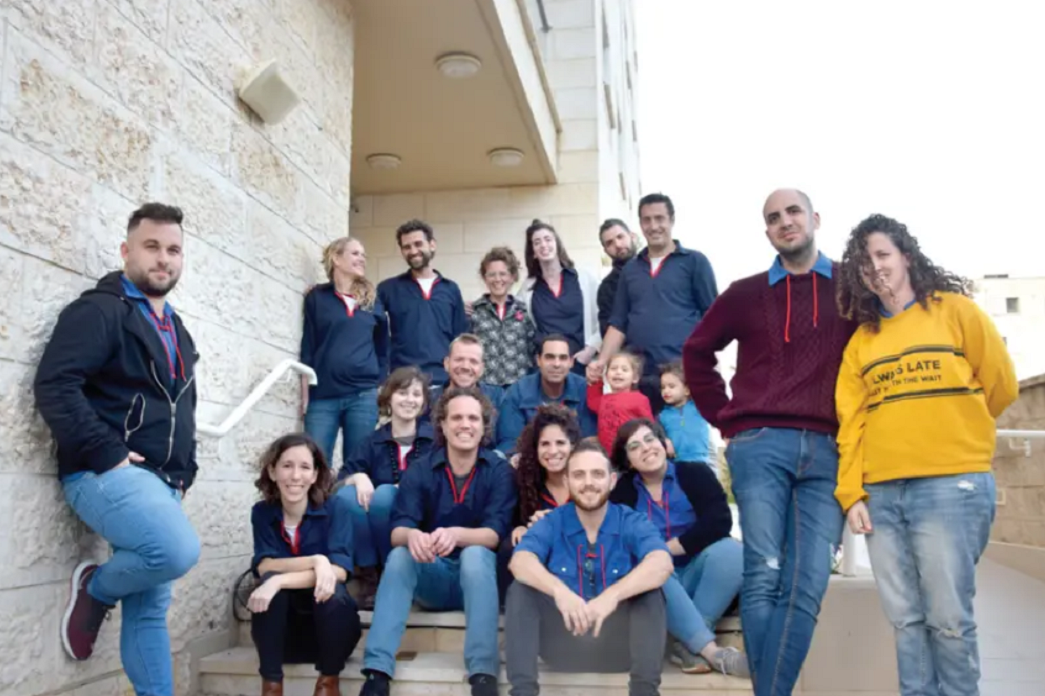
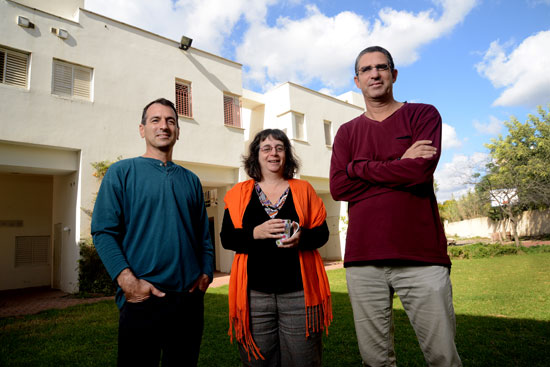
BEIT SHEMESH – Living on a quiet street in this working class town, 35 Israelis pool their salaries, meet three times a week to talk business, eat dinner together on the Sabbath and share eight cars and a washer-dryer.
They belong to an urban kibbutz – an unusual offshoot of the socialist farming communities that formed the backbone of the early Zionist movement and are considered one of the few successful experiments in communal living.
While agricultural kibbutzim are moving toward greater individualism and merit-based salaries, Kibbutz Tamuz wants to keep the communal spirit alive, said Udi Manor, who helped found the collective in Beit Shemesh in 1987. “The basic idea was to take the socialist idea into the ordinary environment.”
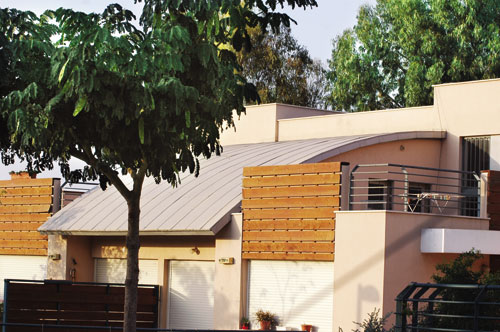
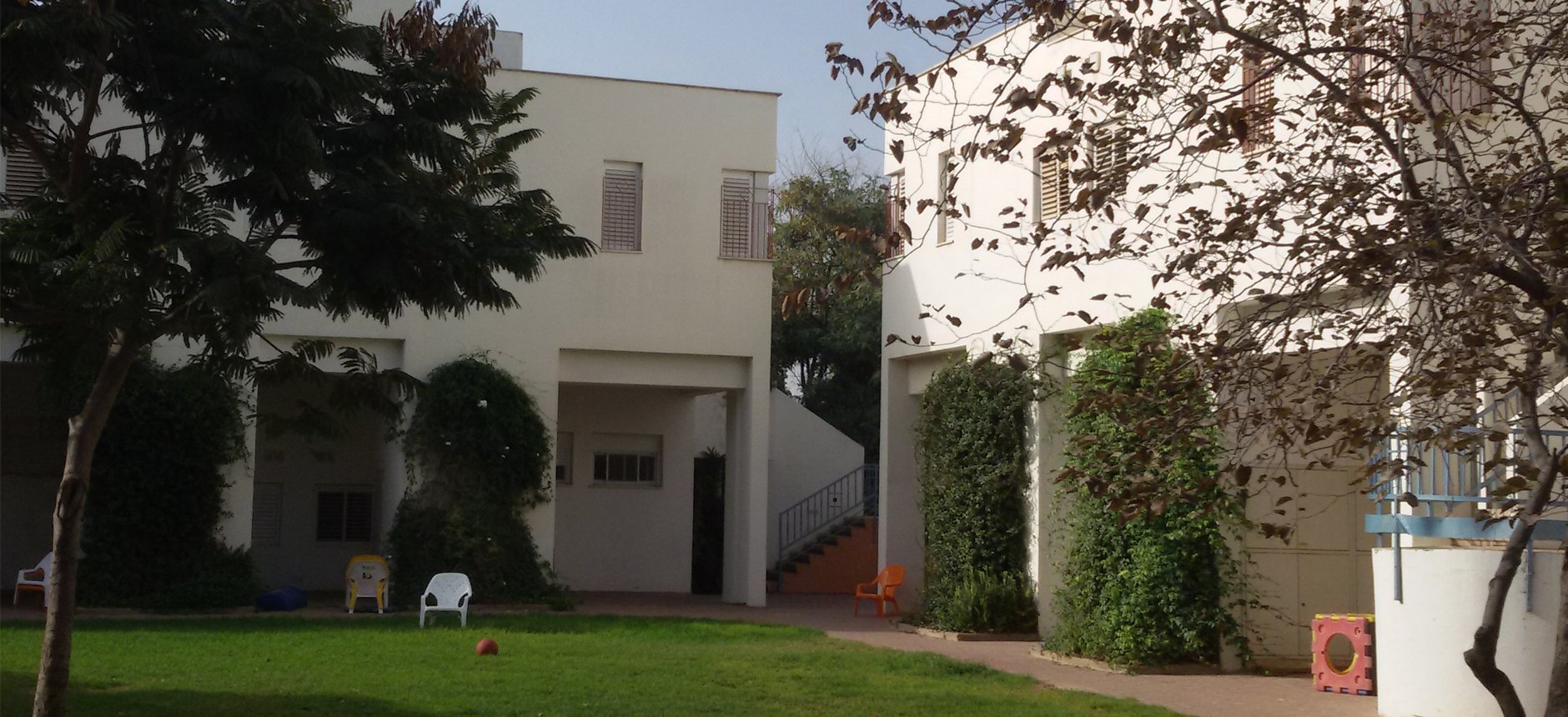
There are only 10 kibbutzim in urban settings, compared to 270 in the countryside. The only things growing at Tamuz are a few flowers and a smattering of grass. It consists of five modern one- and two-story buildings on a bluff overlooking a regular neighborhood.
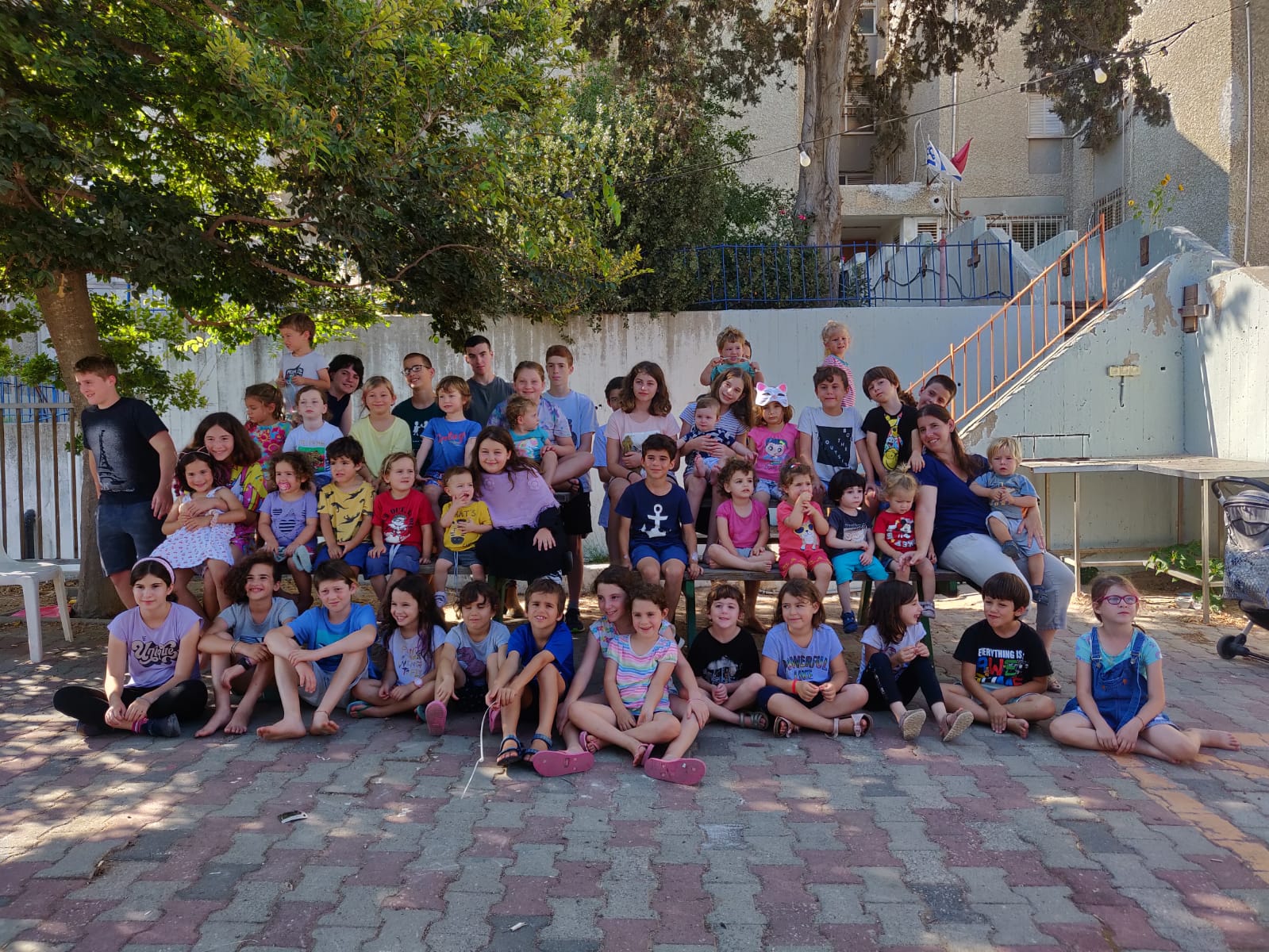
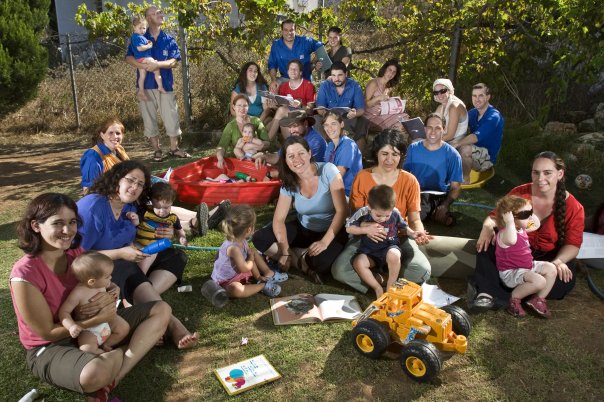
The 35 adults at Tamuz pool their salaries, drawing monthly stipends based on family size – a family of five, for instance, getting 4,500 shekels (US $1,050) a month. Housing, medical needs and education for the adults and their 37 children are paid from the general fund. The kibbutz also owns eight communal cars.
Tamuz members, many of them veterans of rural collectives, meet three times a week to discuss business matters and spend Fridays learning together about a variety of subjects, from Jewish history to the sociology of rock ‘n’ roll. On Friday evenings, the members share the Sabbath dinner. For now, they eat in three different apartments because the communal dining hall is still being planned.
Last year, Tamuz had a budget of 4 million shekels ($1 million) – composed entirely of the members’ incomes. But with the Israeli economy in recession, the budget may decrease next year. Nearly all the members work outside the kibbutz, and two of them, high-tech workers, recently lost their jobs.
The collective will pay for those taking a study break, though most members keep working while attending college. Bryan Meadan, a 39-year-old computer consultant who immigrated from Northridge, California, two decades ago, did that recently, earning a master’s degree in sociology while keeping his consulting job.
The kibbutz movement began in the early 20th century, with the aim of turning immigrant Jews into farmers, settling the land and creating a socialist utopia. Although kibbutzim were never more than a small minority of the population, they produced many of the country’s top political and military leaders.
But in recent decades their luster has faded, as the country moved toward a more capitalist economy and Israelis turned more individualistic. Many kibbutzim abandoned basic elements of their lifestyle, such as communal sleeping quarters for the children, and some even allow members to hold outside jobs with salaries.
The first urban kibbutz was established in 1947, and a few others followed. But the experiment didn’t take hold until Tamuz and another group gave it a try in 1987.
The founders of Tamuz, who mostly came from other kibbutzim, landed in Beit Shemesh by chance. The group needed a number of connected apartments, and a building was available in Beit Shemesh, a 30-minute drive from Jerusalem.
It turned out to be a perfect fit. Tamuz wanted to focus on community involvement. Beit Shemesh, a town of ultra-Orthodox Jews, secular commuters and a lot of social tensions, was a community in need.
Today, the kibbutz runs a day care center for 43 children from Tamuz and Beit Shemesh. It also runs community service projects, including a citywide parent committee involved in volunteer work.
Rural kibbutzim are often cut off from their surroundings and have been targets of resentment because of government bailouts that have cost taxpayers billions of dollars. The members of Tamuz try to reach out to their neighbors.
Maron said he tries to defuse tensions between the secular kibbutzniks and the residents of Beit Shemesh, many of whom are devoutly religious.
On a recent Friday afternoon, he gave a ride to an Orthodox man who was rushing to get home before the start of the Sabbath at sunset. “The next time he and his friends talk about kibbutz people being anti-Orthodox, he’ll have something (good) to say to his friends,” Maron said.
Two years ago, the Tamuz group moved to new buildings. The members are planning one more apartment building and are considering bringing in eight mor families.
Meadan said that on average he gets an e-mail a day from potential members.
Shlomo Getz, a kibbutz researcher, thinks the appeal of Tamuz’s style of living is limited.
“You have to have face-to-face relations to make it work,” Getz said. “When you’re not isolated from the outside environment, it makes communal way of life very hard.”
Follow Us
Most Popular