Latest Posts
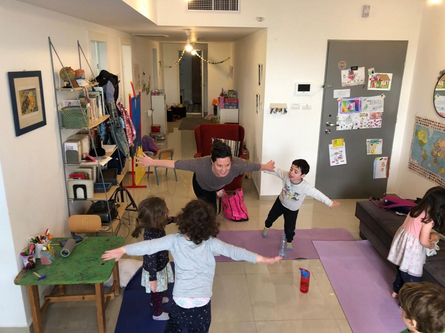
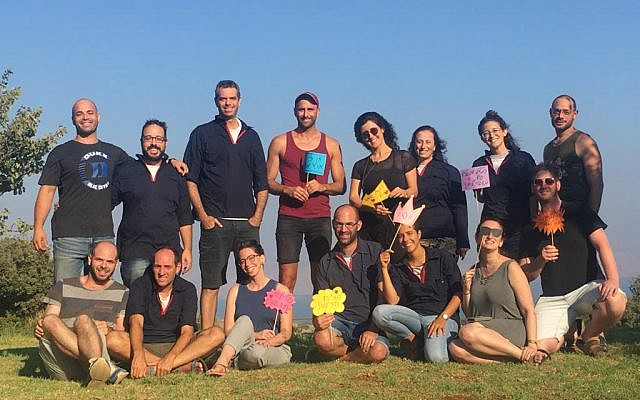
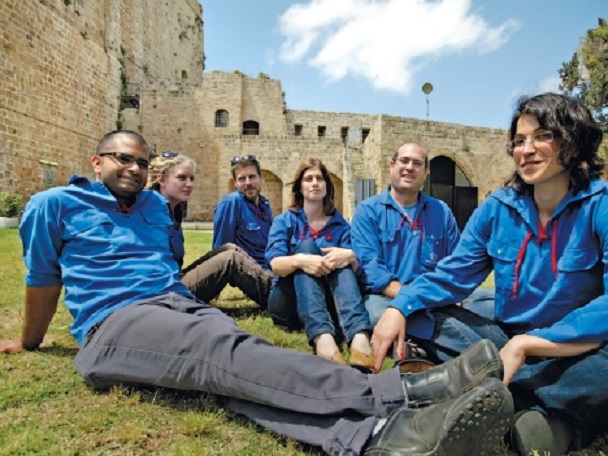
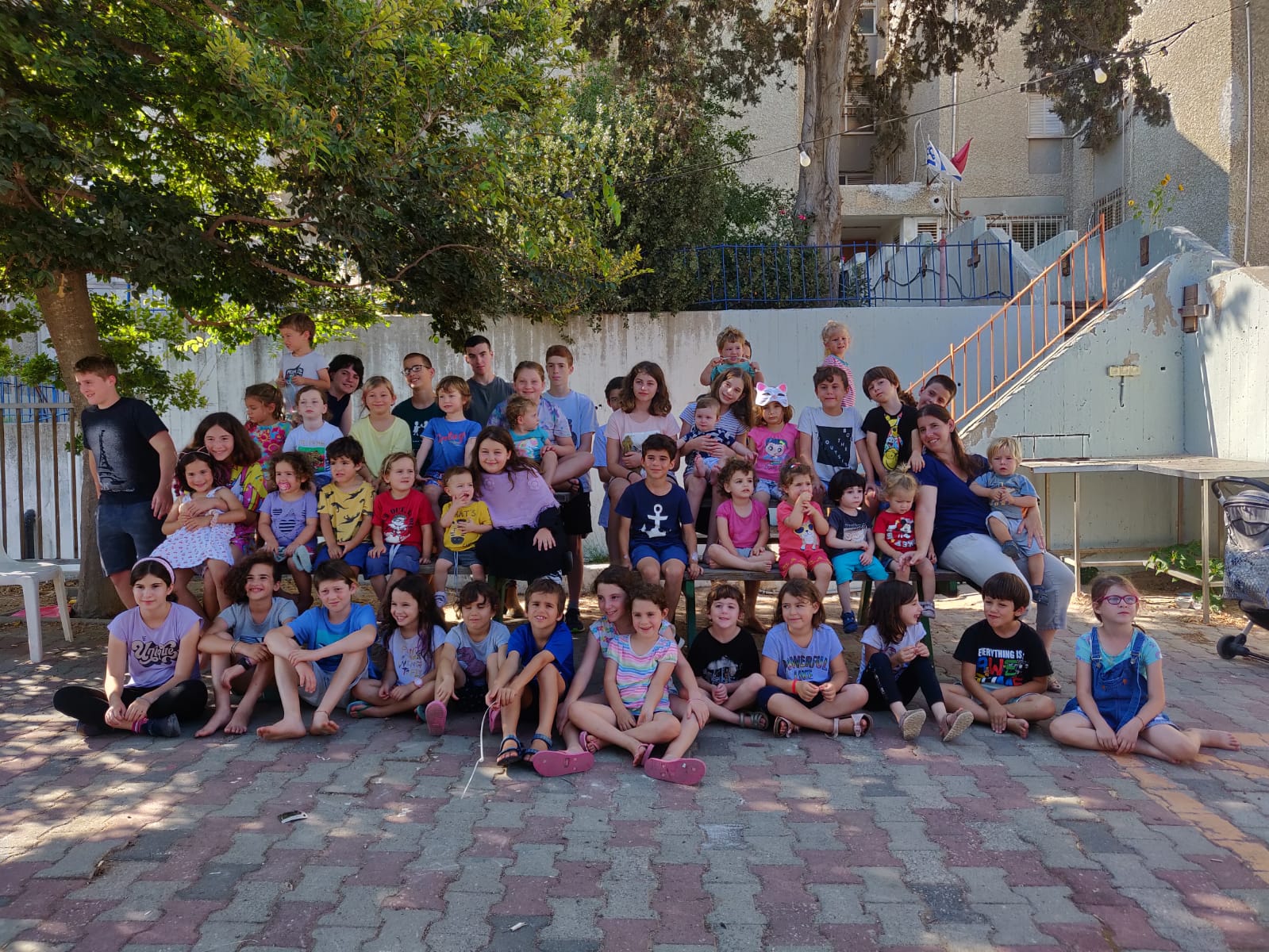
Children at Kibbutz Mishol
From Communities Magazine
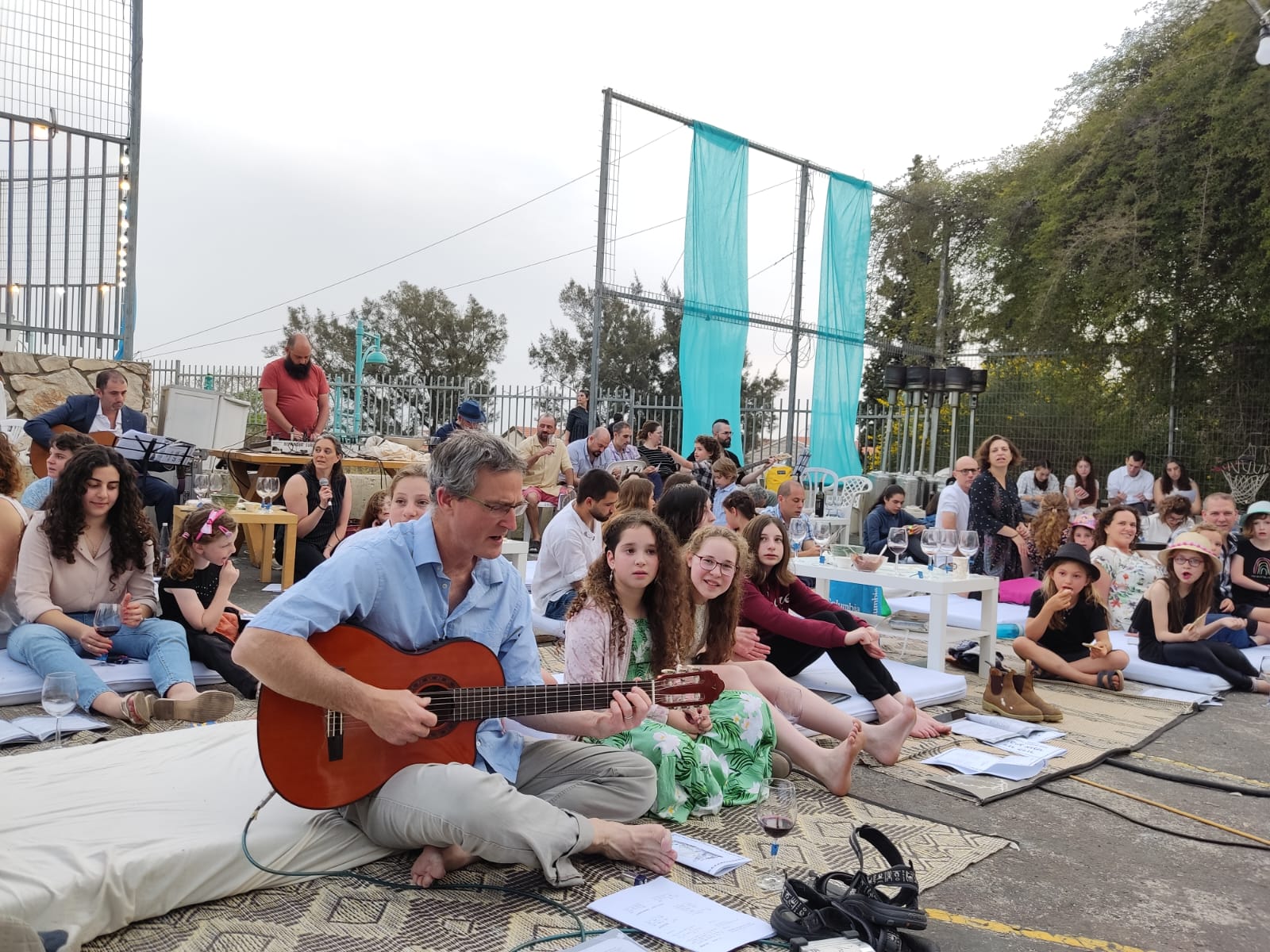
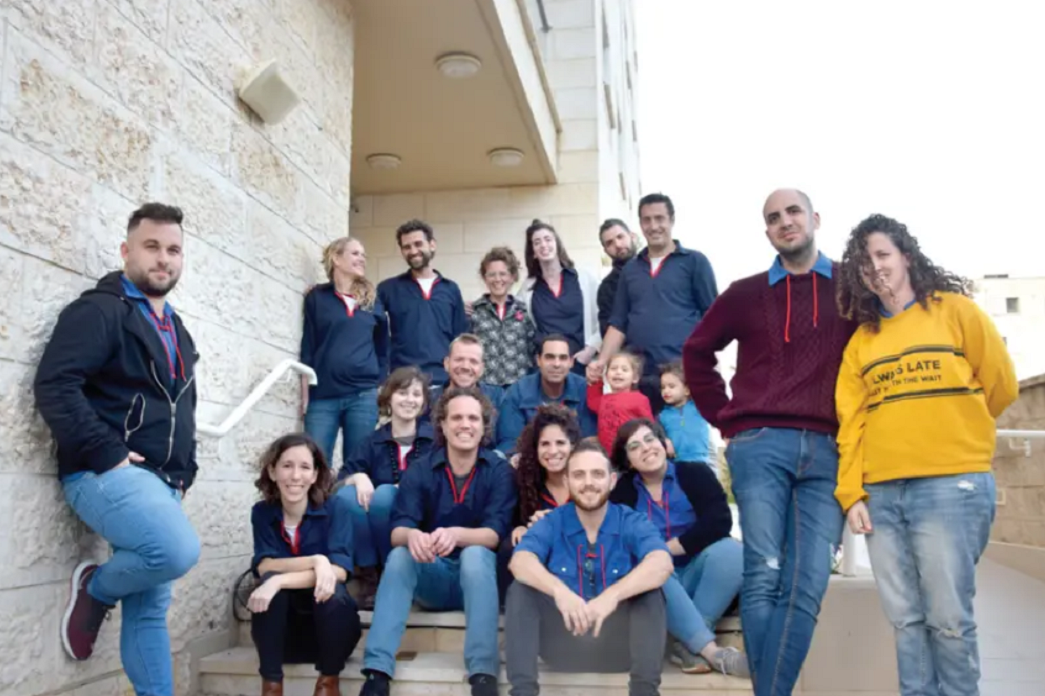
Here in Kibbutz Mishol, the number of kids overtook the number of adults already a couple of years ago. We are a 20-year-old full income-sharing urban kibbutz, and all 150 of us live under one roof in the Northern Israeli city of Nof HaGalil.
It wasn’t always this way though. When we started out, most of us single and with no kids, it was clear to us that our main mission, affecting positive social change to the surrounding society, would be severely limited if we were to be “waylaid” with having kids and looking after them. It was one or the other—and we chose to build project after project through our NGO to work with disadvantaged populations in the city and its environs, rather than spending our time changing diapers and working shorter days.
We waited until we were in our 30s before starting to have kids, each couple coming to the conclusion that the time was right for them. As a kibbutz made up of living groups, each living group started the conversation about the meaning of having a kid in their midst. The older groups helped the younger groups through the process of change—understanding how it would impact our lives as a group, our lives as activists working for social change, our shared finances, our ability to be spontaneous, both partners’ ability to work 16-hour days, expected gender roles as parents, etc., etc.
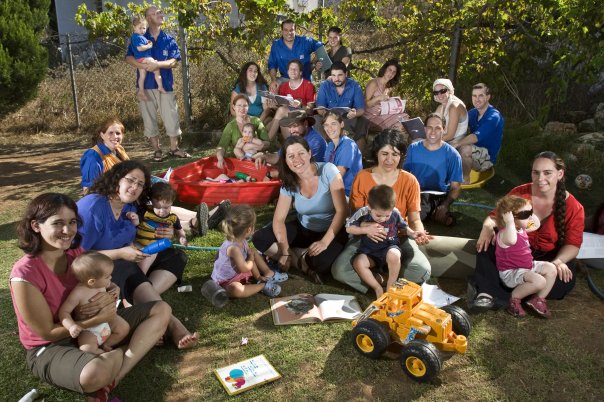
At first it was a trickle, but once the floodgates were opened, we embraced the change that we were experiencing. It wasn’t long until we opened our first childcare framework for us to share in the upbringing of our kids. At first the kindergarten was only for our kids, but gradually we opened it up for the kids of the neighbourhood. It has since become recognized by the State, and families receive subsidized childcare according to their income. Actually, this week we are having a conversation as a kibbutz about our kindergarten. We are past the peak of having kids, and now that there are fewer and fewer of our kids in our kindergarten, we are asking ourselves about the future. Was our kindergarten just providing childcare and education for our kids, or is it one of our projects for social change in our neighbourhood?
Slowly our work days started to change. Because we are our own bosses, and thus have sovereignty over how and when we work, we had the ability to be flexible. It is important to us for at least one parent, and preferably two, to be as present as possible in the childrens’ lives every afternoon. The educational frameworks that we run, both formal and informal, never go past 4 pm. We certainly have the ability to keep them going later—till 5 pm, till 6 pm—but we have repeatedly decided that the window between 4 pm and 8 pm is an important time to be with our kids—as families, as living groups, as a kibbutz. So our activist work stops at 4 pm to allow us to be with our kids. But at 8:30 pm/9 pm, our workday resumes. Because we live together in the same building, we are able to hold meetings in the evening while our kids are sleeping.
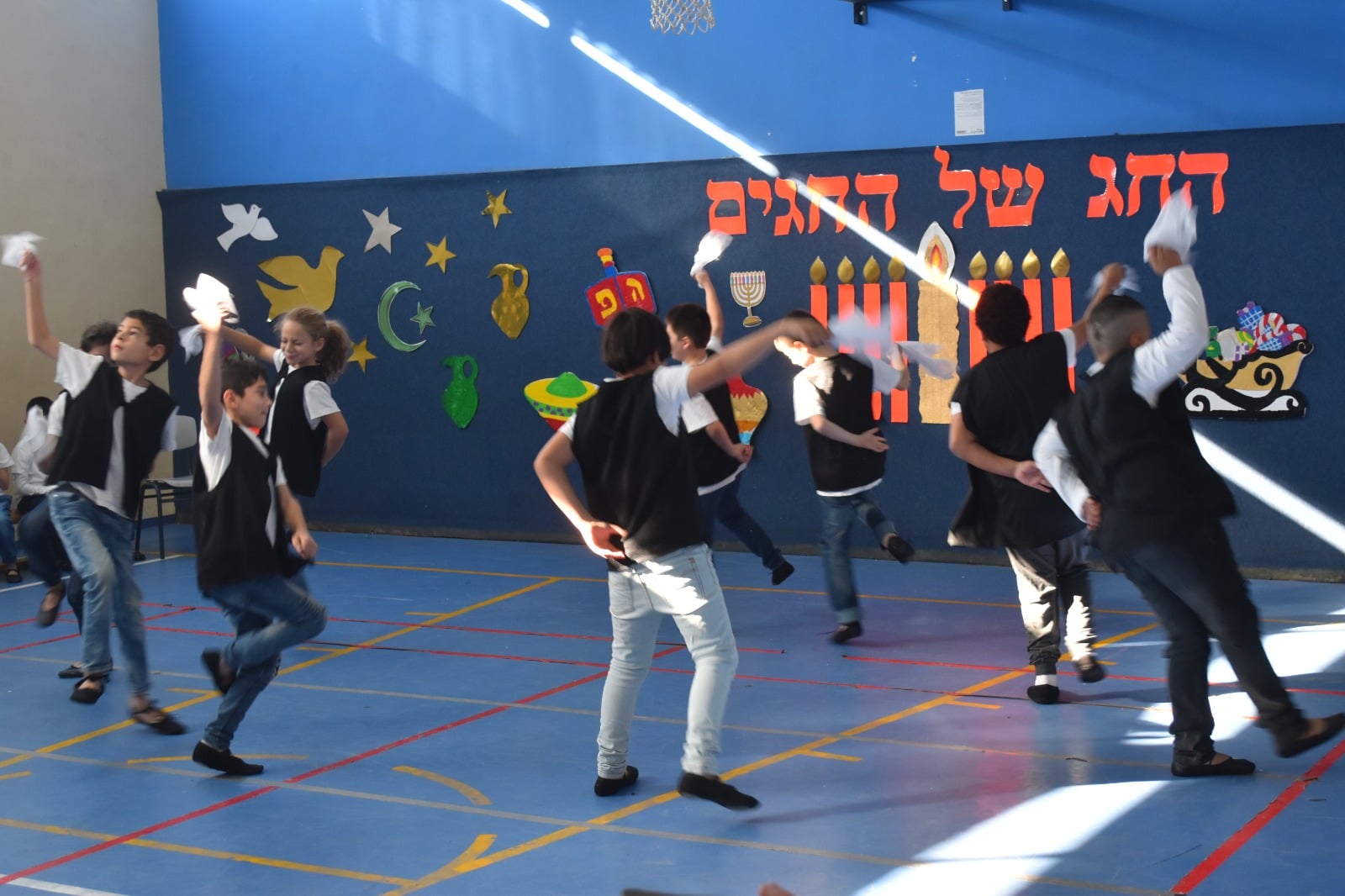
Today we also run the local neighbourhood elementary school, which for years had been threatened with closure. We live in one of the toughest neighbourhoods in the country, with all the challenges that entails. The school principal is from the kibbutz and around half of the staff of the school are also. The kids from the kibbutz are just one of the populations of the school, which includes all religions and ethnicities that make up the neighbourhood. We even built a cutting-edge educational greenhouse in the yard of the school, so the kids can benefit from experiential learning (as opposed to sitting in rows in a classroom).
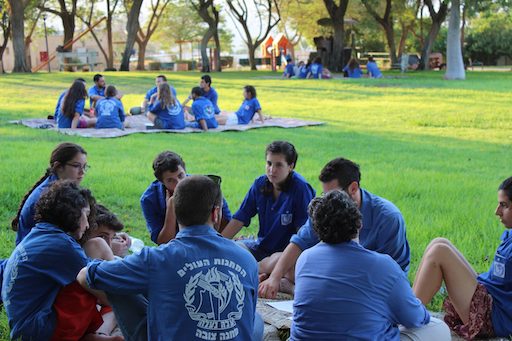
Within the kibbutz, our physical spaces have transformed over time to reflect the growing number of kids. Our living spaces have more bedrooms, which have become smaller as we build dry walls to create more rooms for our kids. When that doesn’t suffice, families move to larger spaces to accommodate family growth, sometimes at the expense of communal spaces. We have kibbutz spaces for after-school activities and activities during the school holidays for our kids according to age group. Each age group has educators, both from the kibbutz and from outside, who work with the kids, helping them to both have fun, and process how they experience the world around them.
We also take health and safety much more seriously now than we did even a decade ago. We brought an inspector to go over the treehouses that we built outside, to make sure that they were safe for our kids to play on. Another agreement we have between us is that only kids over the age of six can wander inside and outside the kibbutz grounds without being accompanied by an adult—one of many agreements that have significant social implications.
You’d think that growing kids in community would get easier and easier as the years go by, but the questions keep on coming. Now the eldest kid is 18; he’s being recruited into the army. When does he become a member of the kibbutz? Does he want to? Do we want him to? How? Is our kibbutz now multigenerational in the long term, or do we expect our kids to leave?
The eldest kids are learning to drive; are they are now automatically a part of our collective car pool? How do we pay for their driving lessons? Do we expect them to work to raise money specifically for this, or does the kibbutz provide everything for them, and therefore they need to work generally because work has an intrinsic value (and we could do with the money!)? Do the kids continue to go to the same schools together, or does each set of parents, or maybe parents of each age group, decide independently? How many after-school activities can each child attend? From what age? Does it matter what they cost? When do we give phones to our kids? When do they get smartphones? According to age?
Overall, we believe that a happy and healthy society includes children, and we have certainly made space for the children to be an integral part of who we are and what we do. Some may say that we have made too many concessions for the sake of our kids, and we are not focused enough on changing the world. Others would say that bringing up our kids as tolerant, caring, determined, and passionate young people is an act of changing the world in itself.

Follow Us
Most Popular