Latest Posts


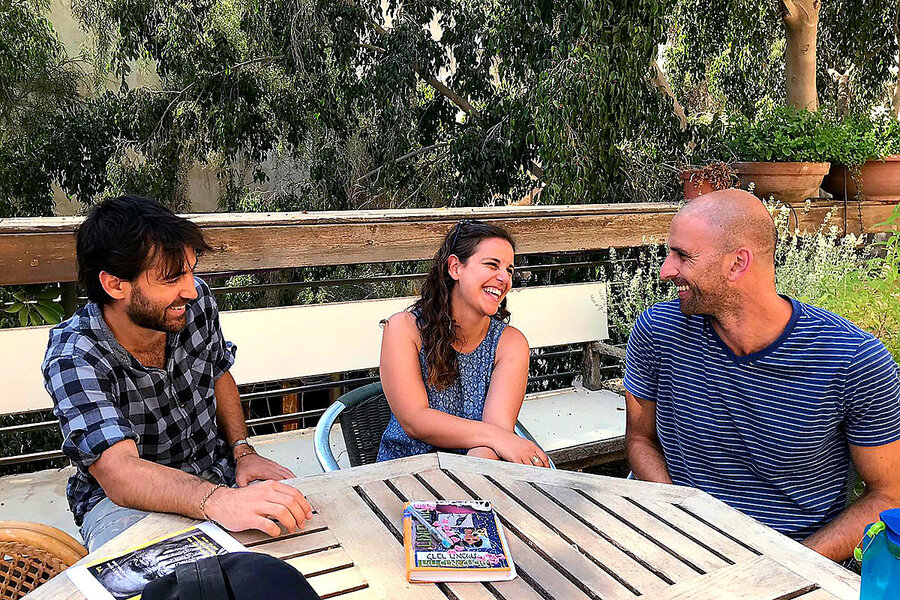
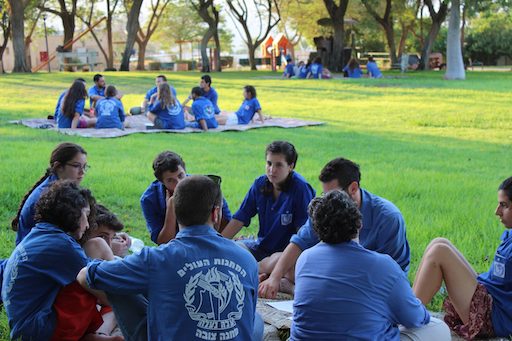
jaffa, israel | Zohar Avigdori walked into a typically disheveled staff room of an atypical summer camp in Israel and sniffed appreciatively. “Always the smell of chocolate spread and sweat,” the 33-year-old remarked nostalgically. “Summer in the youth movement.”

Teenage counselors were busy getting ready for the 100 Arab and Jewish kids who would soon arrive for a four-day shared existence camp.

Its purpose: To engage children from the heavily segregated Jaffa area, south of Tel Aviv, in fun activities that would build friendships.

From Communal Societies, vol. 31 no. 2, Autumn 2011 (pp.21-44)

The erosion of confidence in the kibbutz lifestyle since the 1980s has engendered sweeping changes across the kibbutz movement. Recent kibbutz literature documents at length how the movement’s struggle to adapt to new realities has entailed a rapid and sustained jettisoning of many of the surviving vestiges of its communal heritage. By the end of the twentieth century, with privatisation looming, lacking institutional and cultural legitimacy in Israel and abandoned by former allies overseas, it appeared as though the end of the road had arrived for a movement once fêted as the world’s most successful example of communal socialism. The emergence of a new wave of kibbutz-style communes in Israel, however, external to the mainstream kibbutz federations but conceived as the continuation of their founding ideals, suggests that the abuccinations with which the ‘failure’ of the kibbutz has been proclaimed by its rightist critics, and by a new generation of leftists for whom a singular fixation on the larger Zionist context countermands any old-fashioned concerns with experiments in communal living, may yet be premature.

Hot

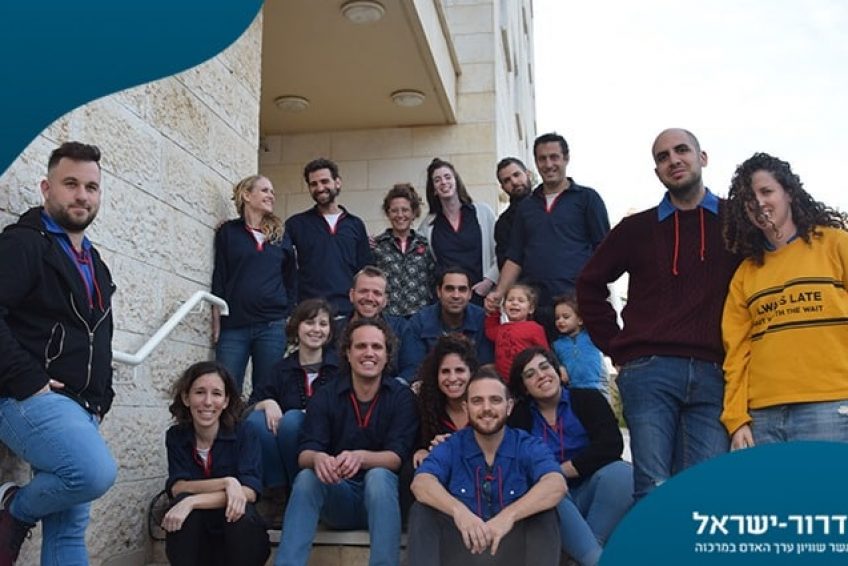
The Dror Israel movement is a pioneer Zionist movement of educators that work in all sectors of society to strengthen faith in man and action in society and to actualize the values of equality, social alliance and social responsibility in everyday reality http://www.drorisrael.org.il/english/

From https://www.jweekly.com/
 

It was Israel’s first new kibbutz in nearly a decade — and one that is quite different than most of its predecessors.

Kibbutz Eshbal aims to give at-risk youth a Zionist education while also providing a framework for Jewish-Arab coexistence.

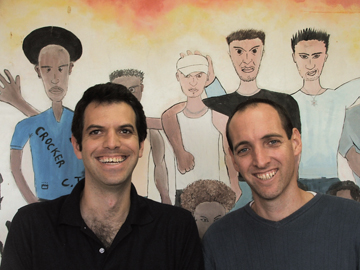
And Levy and Perry are still tirelessly at it. “We have less sleep at night because we’re working on establishing [two] new kibbutzim,” Perry said on a recent stop in the Bay Area.

From haaretz.com

It’s early evening in the Hadar neighborhood of downtown Haifa, and a few members of the Noar Haoved Vehalomed youth movement were waiting for the rest of their group, when suddenly a woman screamed “Help! Stop, thief!” A tall young man in a black coat had grabbed the woman’s purse but after being chased a short distance by a young man in the street, the thief threw it away and disappeared. In another case that same night, a couple was arrested for robbing an 82-year-old woman. Robberies, drugs and street gangs are not as common as they used to be these past few months. Not since the municipality of Haifa, together with the police and social action groups started a project to restore the center-city neighborhood to its former glory.

From: http://www.zeek.net

For nearly a century, the Israeli kibbutz represented one of the most celebrated success stories of the twentieth century socialist left. In this federated network of democratic, self-governing communities, the absence of private property, the negation of the wage system, and the assimilation of physical and white-collar labour successfully came together to create a society devoid of the inequalities and class hierarchies typical of market-driven societies. For many years, the kibbutzim thus managed to come closer to the egalitarian, anti-capitalist ideal than any other similar experiment.

THE JEWISH WORLD

Sept. 4, 2003

By NECHEMIA MEYERS, REHOVOT, ISRAEL

kibbutzim strike root in the city

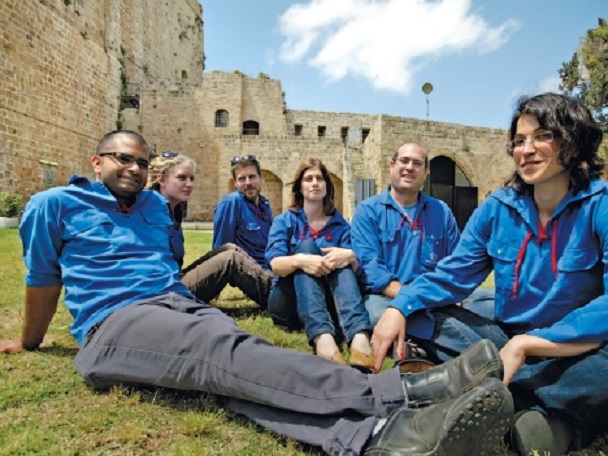
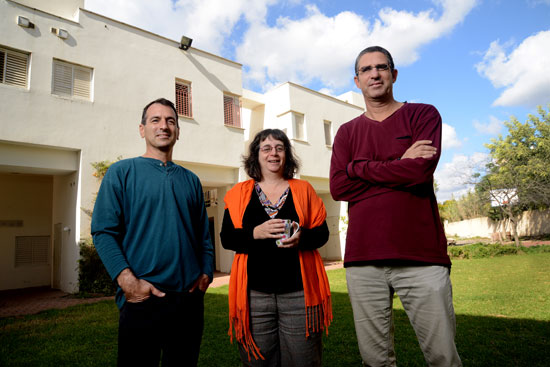
Last week I suddenly felt that I had returned to the idealistic Israel that I first encountered when I arrived here over 50 years ago. This was the result of my meeting with a group of dedicated youth in their 20s who have created an new urban kibbutz, on the outskirts of Rehovot, where they live a frugal collective life and spend most of their time trying to help the underprivileged inhabitants of a nearby, predominantly Ethiopian neighborhood.

Page 2 of 3

Subscribe To Our Newsletter To Get The Latest News About Us